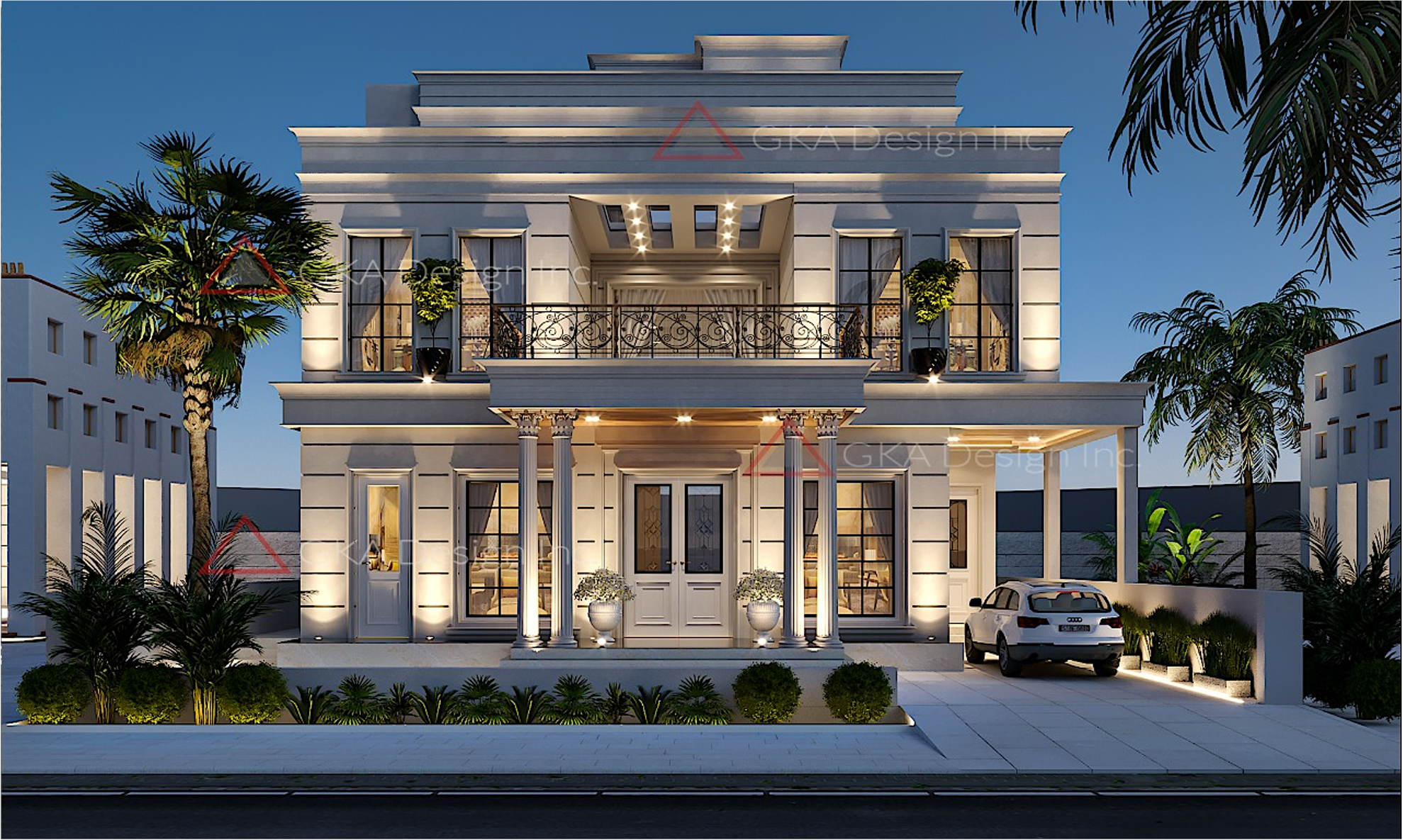
Designing a house in 2026 is no longer just about how it looks. It is about how it feels, how it performs, and how well it adapts to your lifestyle over time.
Especially in Delhi NCR and North India, where climate, density, and lifestyle are all evolving fast, architecture is becoming more thoughtful, more efficient, and far more personal.
Here are the key trends shaping homes in 2026, and what you should actually consider before building yours.
1. Climate-responsive design is non-negotiable
Delhi heat is brutal, winters are sharp, and pollution is real. Homes are now being designed to work with the climate rather than against it. Deep balconies, shaded facades, cross ventilation, courtyards, double walls, and thermal insulation all help homes stay naturally cooler in summer and warmer in winter, reducing dependence on artificial systems.
2. Warm minimalism is replacing cold luxury
2026 homes are moving away from sterile white boxes and harsh grey palettes. Warm neutrals like beige, clay, and terracotta, softer lighting, and tactile textures now create homes that feel grounded, comfortable, and lived-in rather than showroom-perfect.
3. Invisible spaces are shaping calmer homes
One of the biggest changes is a desire for less visual noise. Hidden kitchens, concealed storage, seamless wardrobes, and integrated wall panels are helping homes feel quieter and more mentally restful.
4. Indoor-outdoor living is the new luxury
In North India, even when space is limited, connection to nature is becoming essential. Green balconies, terrace gardens, large glass openings, and semi-open sit-outs are no longer just aesthetic additions. They support better living quality and everyday mental well-being.
5. Smart homes are becoming subtle
Automation is still growing, but the new expectation is discretion. Smart lighting scenes, climate control, voice-enabled appliances, and energy monitoring systems are being integrated quietly in the background so the house feels effortless instead of technology-driven.
6. Homes are becoming more personal
Open plans still matter, but they are now balanced with privacy. Bedrooms are treated more like retreats, work-from-home zones are planned more intentionally, and quiet corners are becoming an essential part of residential life. Homes are now designed for real routines, not just social media photographs.
7. Sustainable materials are redefining status
Luxury is being redefined through long-term performance and restraint. Engineered wood, bamboo, low-VOC paints, local stone, and natural textures are increasingly preferred over excessive marble and highly polished finishes. Durability and environmental responsibility now carry their own form of prestige.
8. Multi-functional spaces are essential
With rising land costs in Delhi NCR, every square foot matters. Foldable partitions, convertible rooms, and integrated storage systems allow one space to perform multiple roles without compromising architectural clarity.
9. Lighting is doing the heavy lifting
Lighting in 2026 is no longer only functional. Layered lighting strategies, sculptural fixtures, cove lighting, and accent illumination are being used to shape mood and define how spaces are experienced throughout the day.
10. Indian identity is returning in a modern way
Instead of copying western residential language, there is a clear return to terracotta textures, handcrafted elements, and traditional spatial ideas reimagined in a contemporary way. The result feels modern but still rooted in Indian lifestyles and climate realities.
Final thoughts
If you are planning to build a house in Delhi or North India, 2026 is not about following trends blindly. It is about creating a home that performs in extreme weather, supports daily life, feels emotionally calm, and remains future-ready over time.
The real luxury today is simple: a home that quietly works for you every single day.